Two Quotes for the Same Stone, and Why Only One Shows the Cemetery's Share
A monument quote splits into dealer work and cemetery charges; here is how to read each line, where deposits sit, and what a later inscription costs.
One reader's working-out of how Ontario cemetery operators approve grave monuments, what the bill is actually made of, and which decisions can still be changed once the stone is standing.
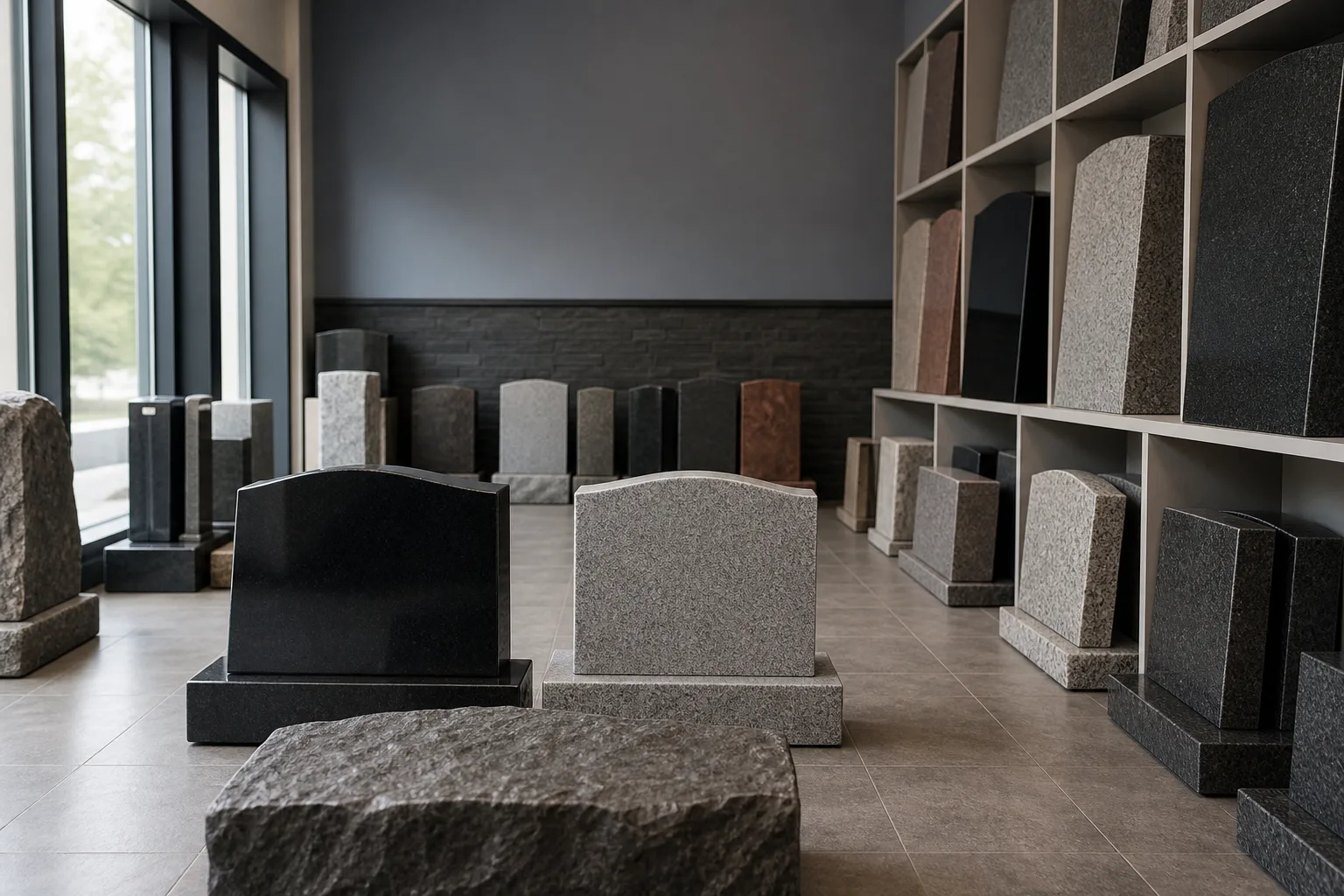
A single-figure monument price cannot be checked against a competing offer. Ask for the stone, the finishing, the lettering and the delivery to appear as separate amounts.
A family in Scarborough collected two written quotes for the same granite marker, same size, same color, same two-line inscription, and the totals landed within a few dollars of each other. The first quote was a single figure with the word monument beside it. The second ran to nine lines, and four of those lines were not the dealer's money at all: they were amounts the dealer would collect and remit to the cemetery. Only the second quote could be checked. The first could only be accepted or refused, which is a different thing entirely, and a worse position to be in when a decision is this hard to reverse.
The dealer's side of the sheet
Four lines belong to the monument dealer, and each one moves independently. The stone itself is priced by quarry, color and cubic volume, so a dark granite from one source and a gray from another can differ substantially at identical dimensions. Cutting and polishing is priced by how many faces are finished: an all-polished die costs more than one polished on the front and rock-pitched on the sides. Lettering is priced by character count and method. Delivery is priced by distance and by whether the crew can bring a truck close to the lot or has to carry. A quote that names all four separately can be adjusted; a quote that names none of them can only be swapped for another quote.
Sandblast against laser, and what each is good at
Sandblast lettering is cut into the stone through a rubber stencil, so the letter has depth, and depth is what survives forty winters of freeze and thaw. Laser etching burns a shallow image onto polished granite and can hold photographic detail, portraits, landscapes, a signature reproduced from a card, which sandblasting cannot approach. The practical split most families arrive at is sandblast for names and dates, laser for anything pictorial, and dealers price them differently because the labor is different: stencil work scales with character count, laser work scales with image area and file preparation. Ask which method each line of the inscription uses before comparing two lettering prices.
The lines the cemetery charges, not the dealer
Three items on a properly itemized quote are the cemetery's, and no dealer can discount them. The concrete foundation is poured by the cemetery's own staff to its own specification, priced by the footprint of the base, and the cemetery controls the schedule, which is why installation dates cluster after the ground thaws. The permit or setting fee covers inspection and the administrative record that the marker matches what was approved. The care and maintenance fund contribution is a levy calculated on the monument, set aside to fund grounds upkeep in perpetuity, and it is required rather than optional. In Ontario these are governed by the operator's approved bylaw and the provincial licensing regime, and a careful reader asks to see the bylaw section that sets each rate.
Deposits, holdbacks and the second inscription
The deposit usually sits with the dealer, and a typical structure is a substantial payment on order, when the stone is cut to size and the design goes to production, and the balance on installation. What matters is what the contract says happens if the cemetery rejects the design after the deposit is paid. Good paperwork ties the deposit to written cemetery approval, so the stone is not fabricated against a specification the operator will not permit. The later inscription is the other line worth pricing now. When a second name and dates are added to an existing monument, the work is done in the cemetery rather than the shop, and the bill has its own shape: a travel and setup charge, the lettering itself, and often a separate cemetery permit for working on the lot. Some families prepay it at the original order and lock the rate.
Reading the total the way an inspector would
The Federal Trade Commission oversees disclosure practices in the funeral trade, and the habit it has trained consumers into, asking for an itemized price list rather than a package figure, transfers cleanly to monuments. Set the two quotes side by side and match line to line. Where one sheet shows a foundation charge and the other does not, the money has not vanished; it has been folded into a number nobody can audit. Where the care fund contribution is missing, ask whether it is excluded or simply unlisted. The quote that survives that comparison is the one to sign.